Where to see Chimpanzee
February 7, 2026A Complete Guide to Akagera National Park, Rwanda
September 10, 2026
East Africa is a dream destination for photographers. From majestic lions resting beneath acacia trees to mountain gorillas hidden in the misty forests, the region offers an incredible variety of landscapes, wildlife, cultures, and unforgettable moments to capture.
Whether you are a professional wildlife photographer or simply travelling with a camera or smartphone, an East African safari gives you countless opportunities to create stunning images. Uganda, Rwanda, Kenya, and Tanzania each offer something unique, making East Africa one of the best safari destinations in Africa for photography.
In this guide, we share practical East African safari photography tips, the best subjects to photograph, essential camera equipment, and how to make the most of your safari experience.
Why East Africa Is Perfect for Photography
East Africa combines dramatic landscapes with extraordinary wildlife. You can photograph elephants crossing open savannahs, giraffes silhouetted against the sunset, hippos relaxing in rivers, and birds displaying their colourful feathers.
The region is also home to some of Africa’s most iconic destinations, including the Serengeti, Maasai Mara, Queen Elizabeth National Park, Murchison Falls National Park, Akagera National Park, and Bwindi Impenetrable National Park.
For photographers, the variety is what makes an East African safari so special. One day may be spent photographing wildlife on the savannah, while the next could take you into a rainforest searching for mountain gorillas.
1. Choose the Right Safari Destination
Your choice of destination should depend on what you want to photograph.
Uganda: Wildlife, Gorillas and Landscapes
Uganda is an excellent destination for photographers looking for variety. A Uganda safari can combine traditional wildlife photography with rainforest and primate photography.
In national parks such as Murchison Falls and Queen Elizabeth, photographers can capture elephants, lions, leopards, buffaloes, hippos, giraffes, antelopes, and hundreds of bird species.
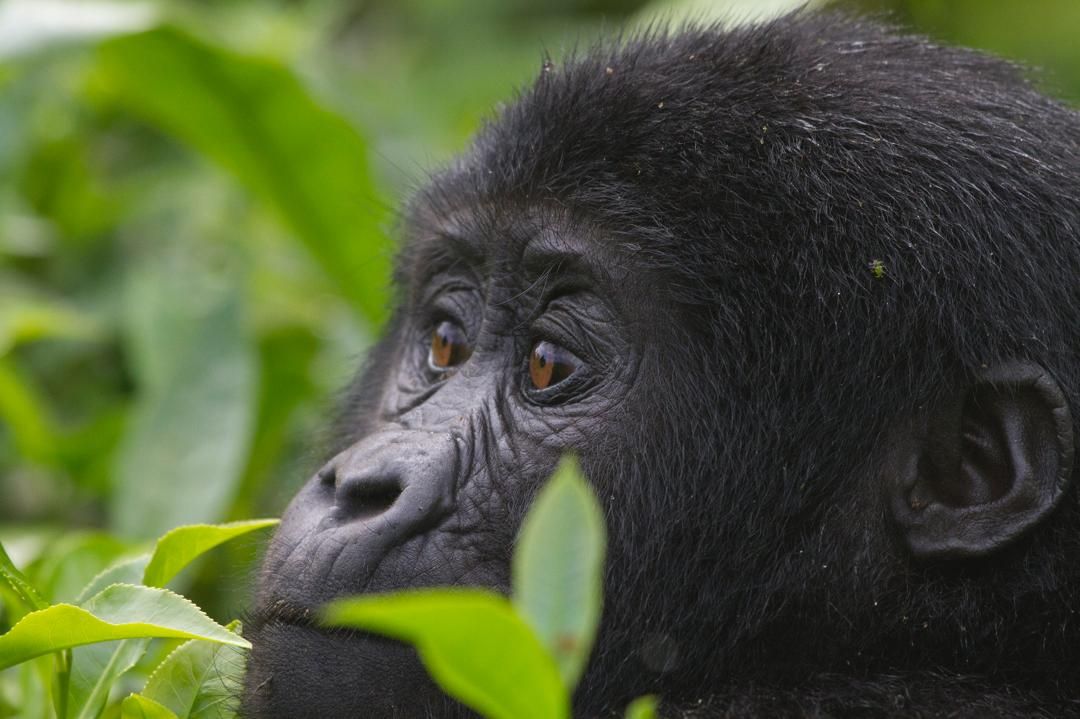
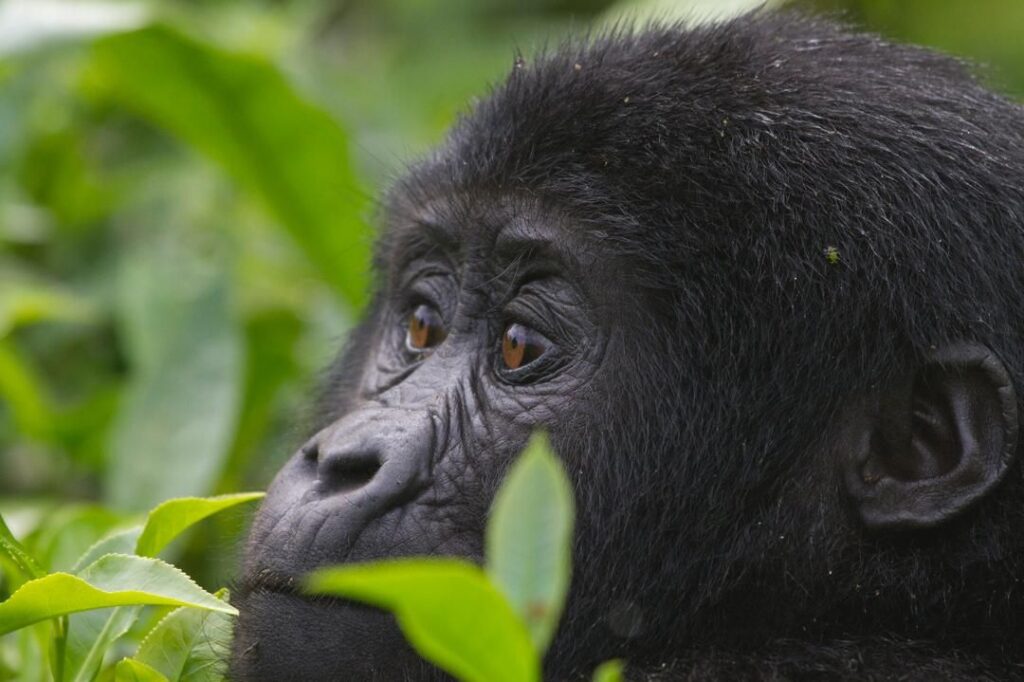
Uganda is particularly famous for gorilla trekking in Bwindi. Photographing mountain gorillas is a completely different experience from photographing animals on the savannah. The dense forest, changing light, and close encounters create dramatic and intimate images.
Rwanda: Gorillas and Beautiful Landscapes
Rwanda is another excellent destination for photography, particularly for travellers interested in mountain gorillas and scenic landscapes.
Volcanoes National Park provides opportunities to photograph mountain gorillas in their natural habitat, while Akagera National Park offers classic African wildlife photography.
Rwanda’s rolling hills, volcanic scenery, lakes, and lush countryside also provide plenty of opportunities for landscape photography.
Kenya and Tanzania: Classic African Safari Photography
Kenya and Tanzania are ideal for photographers looking for iconic savannah scenes.
The Maasai Mara and Serengeti are famous for large concentrations of wildlife and spectacular predator sightings. During the Great Migration, photographers may have opportunities to capture dramatic scenes involving wildebeest, zebras, predators, and river crossings.
2. Choose the Right Camera Equipment
You do not need the most expensive camera to take beautiful safari photographs. However, the right equipment can make wildlife photography much easier.
A useful safari photography kit may include:
- A camera with good autofocus and high ISO performance
- A telephoto lens, such as a 100–400mm or 200–500mm
- A wider lens for landscapes and environmental portraits
- Extra memory cards
- Several spare batteries
- A lightweight camera bag
- Lens-cleaning equipment
- A beanbag or other stable support for vehicle photography
- A rain cover or protective bag
- A smartphone for quick snapshots and video
If you are planning gorilla trekking in Uganda or Rwanda, consider keeping your equipment lightweight. You may be walking through steep, muddy, and densely vegetated terrain, so carrying a large collection of lenses can become uncomfortable.
3. Learn to Use Natural Light
Light can completely transform a safari photograph.
The early morning and late afternoon usually provide softer, warmer light and can create beautiful shadows and highlights. These periods are often excellent for wildlife photography.
Midday light can be harsh, but it should not stop you from taking photographs. Look for animals in shaded areas, use the stronger contrast creatively, or focus on details rather than wide landscape shots.
Golden-hour photography is particularly rewarding. A giraffe, elephant, or acacia tree against a warm African sunset can create a memorable image.
4. Photograph More Than Just Animals
One of the biggest mistakes photographers make on safari is focusing exclusively on wildlife.
Look beyond the animals.
Capture the landscapes, local communities, safari vehicles, tracks in the sand, birds, plants, dramatic clouds, and small details that tell the story of your journey.
For example, instead of photographing only an elephant, try photographing the elephant within its environment. This gives the viewer a stronger sense of place and creates a more compelling African safari photograph.
5. Be Patient
Wildlife photography requires patience.
You may spend an hour watching a lion doing absolutely nothing before suddenly getting the perfect photograph. A leopard may disappear into tall grass just as you raise your camera.
Do not become discouraged.
Some of the best photographs happen when you wait for a behavioural moment—a lion yawning, an elephant interacting with its calf, a bird taking flight, or a gorilla looking directly toward the camera.
Your guide and driver can also be extremely helpful because their experience allows them to anticipate animal behaviour and position the vehicle appropriately.
6. Understand Your Camera Settings
Learning basic manual camera settings can dramatically improve your safari photography.
For moving animals, use a relatively fast shutter speed to freeze motion. You may need to increase your ISO when photographing in low light.
Continuous autofocus can help keep moving animals sharp, while burst shooting allows you to capture several frames of fast action.
For landscapes, a wider lens and smaller aperture can help keep more of the scene in focus.
Most importantly, practise these settings before your safari. You do not want to be learning how your camera works when a leopard suddenly appears beside your vehicle.
7. Respect Wildlife and Photography Guidelines
Great photography should never come at the expense of wildlife.
Always follow your guide’s instructions and maintain the required distance from animals. Never ask a driver to chase an animal simply to get a better photograph.
When gorilla trekking in Uganda, following the rules established for gorilla encounters is especially important. Keep your distance as instructed, avoid sudden movements, and listen carefully to your trekking guides and rangers.
Remember: the goal is to observe and photograph wildlife responsibly without disturbing it.
8. Protect Your Camera Gear
East African safaris can expose your equipment to dust, rain, mud, and humidity.
Keep your camera and lenses protected when they are not being used. A dustproof camera bag is useful during game drives, while waterproof protection can be important during forest trekking.
Carry cleaning equipment because dust can quickly accumulate on lenses and camera sensors.
For gorilla trekking, waterproof bags are particularly useful because tropical forests can experience sudden rain.
9. Photograph Local Culture Responsibly
People and cultures are an important part of the East African safari experience.
If you want to photograph local people, ask for permission first. Respect cultural traditions and avoid treating communities simply as photographic subjects.
Responsible travel photography creates more meaningful images while also respecting the people who make East Africa such a special destination.
10. Tell a Story with Your Photographs
The best safari photography is not necessarily the photograph with the largest animal or the closest close-up.
Think about your photographs as a visual story.
Begin with a landscape that establishes the location. Follow it with wildlife, people, details, and moments of action. Include photographs taken during travel and quiet moments at your lodge.
A collection of photographs showing the complete safari experience will often be more powerful than hundreds of similar animal portraits.
Best Subjects to Photograph on an East African Safari
Depending on your destination, you may have opportunities to photograph:
- Lions
- Leopards
- Elephants
- Giraffes
- Buffaloes
- Hippos
- Chimpanzees
- Mountain gorillas
- Zebras
- Wildebeest
- Antelopes
- Rhinos
- African wild dogs
- Colourful bird species
- African landscapes and sunsets
For bird photographers, East Africa is particularly rewarding, with an enormous variety of habitats and bird species.
Photography Tips for Gorilla Trekking
If your safari includes Bwindi gorilla trekking, preparation is especially important.
The forest can be dark and dense, so a camera that performs well in low light can be useful. A medium telephoto lens may also be more practical than an extremely long lens because you can sometimes be relatively close to the gorillas under ranger guidance.
Keep your equipment protected from rain and be prepared to move carefully through challenging terrain.
Most importantly, don’t let your camera take you out of the experience. Take photographs, but also put the camera down occasionally and appreciate the extraordinary opportunity to see mountain gorillas in their natural environment.
The Best Time for Safari Photography
East Africa offers photographic opportunities throughout the year, but the best time depends on your destination and the type of images you want.
Dry seasons can make wildlife easier to spot because animals often gather around water sources and vegetation may be less dense. Wet seasons, however, can produce lush landscapes, dramatic skies, colourful vegetation, and fewer tourists.
For photographers, there is no single perfect season. Each season offers a different visual experience.
Final Thoughts
An East African safari is much more than a wildlife-viewing holiday. It is an opportunity to tell stories through photographs—from the smallest bird to the largest elephant, from golden savannah sunsets to misty mountain forests.
Whether you choose a Uganda safari, gorilla trekking in Bwindi, a Rwanda adventure, or a classic Kenya and Tanzania safari, preparation will help you capture better images.
Bring the right equipment, learn your camera settings, be patient, respect wildlife, and most importantly, enjoy the experience.
The perfect photograph is often unexpected. Sometimes it is a lion at sunrise. Sometimes it is a gorilla emerging from the forest. And sometimes it is simply the golden African landscape stretching toward the horizon.